

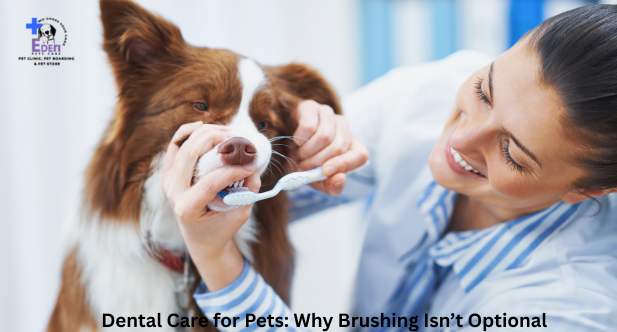
As a loving pet parent, you probably pay close attention to your furry friend’s nutrition, grooming, exercise, and overall health. But when was the last time you thought about your pet’s dental care? Dental hygiene is one of the most overlooked aspects of pet health, yet it plays a critical role in your pet’s overall well-being. In this blog, we’ll explore why dental care is essential for pets, the risks of neglecting it, and how you can incorporate brushing and other dental hygiene practices into your pet care routine.
Just like humans, pets are susceptible to plaque, tartar buildup, gum disease, and tooth decay. These dental issues not only cause pain and bad breath but can also lead to more serious health complications if left untreated.
Key reasons to care for your pet’s teeth:
Prevent Gum Disease (Periodontal Disease): Affects 80% of dogs and 70% of cats by age 3.
Avoid Tooth Loss: Poor oral health weakens the structures supporting teeth.
Protect Internal Organs: Bacteria from dental infections can spread to the heart, liver, and kidneys.
Enhance Quality of Life: Pets with healthy mouths eat better, play more, and feel happier.
It’s important to recognize the warning signs of dental disease before it progresses:
Persistent bad breath
Red, swollen, or bleeding gums
Excessive drooling
Difficulty chewing or loss of appetite
Brown or yellow plaque/tartar on teeth
Pawing at the mouth
If you notice any of these symptoms, schedule a vet visit promptly. Dental problems cause chronic pain that pets often suffer in silence.
Brushing your pet’s teeth is the most effective way to maintain their oral health. It removes plaque before it hardens into tartar and helps prevent bacterial infections.
Brushing Benefits:
Keeps breath fresh
Reduces risk of dental disease
Saves money on costly vet dental procedures
Builds trust and bonding when done regularly
Veterinarians recommend brushing your pet’s teeth at least 2-3 times per week, though daily brushing is ideal.
Choose the Right Tools:
Use a pet-specific toothbrush or a finger brush.
Never use human toothpaste – opt for pet-safe toothpaste (enzymatic and flavored).
Get Your Pet Comfortable:
Start slowly. Let them sniff and taste the toothpaste.
Gently handle their mouth during cuddle sessions to get them used to it.
Start Brushing:
Lift the lips to expose the teeth.
Use gentle, circular motions focusing on the gum line.
Focus on outer surfaces; most pets won’t let you reach the inner side.
Keep sessions short (30-60 seconds) and end with praise or a reward.
Be Consistent:
Set a routine – pets thrive on consistency.
Celebrate small progress and keep the experience positive.
While brushing is best, there are other ways to support your pet’s dental health:
Dental Chews and Treats:
Designed to reduce plaque buildup.
Choose vet-approved options with VOHC (Veterinary Oral Health Council) seal.
Dental Toys:
Encourage chewing and help scrape off plaque.
Best for dogs, but some cat toys are available too.
Water Additives and Oral Sprays:
Can freshen breath and reduce bacteria.
Not a replacement for brushing but a helpful supplement.
Professional Dental Cleaning:
Performed under anesthesia by a veterinarian.
Recommended annually, especially for older pets or those with dental disease.
"Pets don’t need their teeth brushed in the wild."
While true, domestic pets live longer and have different diets. Plaque builds up without natural chewing behaviors found in the wild.
"Dry food keeps teeth clean."
Not necessarily. Some dry foods may reduce plaque slightly, but they are not a substitute for brushing.
"Bad breath is normal for pets."
It’s common, but not normal. Bad breath is often the first sign of oral disease.
Annual dental check-ups are important, but visit your vet sooner if:
Your pet resists eating or shows signs of pain
You see loose or missing teeth
There is visible pus, swelling, or bleeding
Bad breath becomes persistent
Your veterinarian can diagnose issues early, provide cleanings, and recommend appropriate at-home care.
Dental hygiene is not just a cosmetic concern – it’s a key part of your pet’s overall health. Neglecting it can lead to painful diseases, expensive treatments, and decreased quality of life. But the good news is that with regular brushing, a few helpful tools, and annual vet visits, you can keep your pet’s teeth clean and healthy.
Your pet depends on you for every aspect of their well-being. Add dental care to your daily routine and give your furry friend the gift of a happy, healthy smile!


Address : 7, Ground Floor, Dayasadan Road, off, Poonamallee High Road, opposite to Shell Petrol Bunk, Nerkundram, Chennai, Tamil Nadu 600107

