

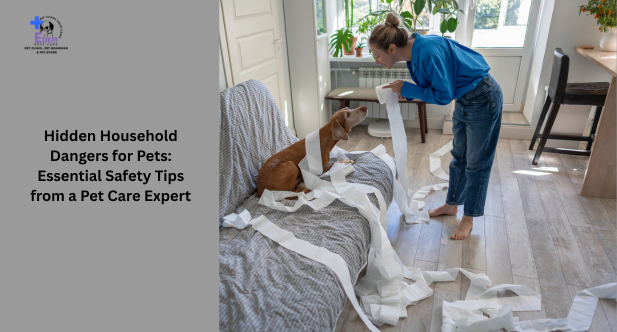
As pet parents, we strive to create safe, loving environments for our furry companions. But while your home may seem harmless, it can be full of unexpected risks for pets. From common cleaning supplies to houseplants, everyday items we rarely think twice about can pose serious health threats to dogs, cats, and other animals. In this blog, we explore some of the most common household hazards, how they affect pets, and what you can do to prevent accidents. By identifying and mitigating these risks, you can ensure a safer, healthier space for your beloved pet.
While it’s tempting to share a snack with your pet, many human foods are dangerous — even deadly.
Toxic Foods Include:
Chocolate (especially dark chocolate): Contains theobromine, harmful to both cats and dogs.
Grapes and Raisins: Can cause kidney failure in dogs.
Onions and Garlic: Damage red blood cells, leading to anemia.
Xylitol: A sugar substitute found in sugar-free gum, toothpaste, and some baked goods; can cause liver failure.
Alcohol and Caffeine: Extremely toxic and can lead to seizures, tremors, or death.
Safety Tip: Store all food items securely and never feed pets from the dining table.
Cleaning supplies are a leading cause of pet poisoning. Even those labeled "natural" can contain harmful ingredients.
Dangerous Ingredients:
Bleach
Ammonia
Phenols (in disinfectants like Lysol)
Hydrogen Peroxide (in high concentrations)
Symptoms of Exposure: Vomiting, drooling, respiratory issues, burns on paws or mouth.
Safety Tip: Always use pet-safe cleaning products. Ensure pets are kept out of rooms being cleaned until surfaces are dry and the air is well-ventilated.
Over-the-counter and prescription medications can be lethal, even in small doses.
Examples of Dangerous Medications:
Ibuprofen and Paracetamol (Tylenol): Can cause liver and kidney damage.
Antidepressants: May cause tremors, seizures, or vomiting.
Cold and flu medications: Contain decongestants toxic to pets.
Pet-Specific Caution: Never give human meds to pets without a vet’s advice.
Safety Tip: Store all medications in closed cabinets or drawers — even pet vitamins and supplements.
Many common houseplants are toxic if chewed or ingested.
Toxic Plants Include:
Lilies (especially dangerous for cats)
Aloe Vera
Philodendron
Dieffenbachia (Dumb Cane)
Sago Palm
Safety Tip: Before bringing home a plant, research its toxicity level for pets. Use hanging baskets or keep plants out of reach.
Dogs and cats, especially puppies and kittens, are curious creatures. Small objects can easily be swallowed or become choking hazards.
Hazardous Items Include:
Rubber bands
Hair ties
Children’s toys
Coins
Socks and string (especially dangerous for cats)
Safety Tip: Keep clutter off the floor and regularly inspect play areas. Choose pet-safe toys specifically designed for durability.
Chewing on cords can lead to electrocution, burns, or house fires.
Prevention Tips:
Use cord organizers or PVC tubing to hide cables
Spray cords with bitter pet deterrent sprays
Supervise young or new pets until they are trained
While diffusing essential oils may relax you, many can be toxic to pets.
Oils to Avoid:
Tea Tree Oil
Eucalyptus
Cinnamon
Citrus Oils
Peppermint
Symptoms of Exposure: Drooling, vomiting, difficulty breathing, tremors.
Safety Tip: Use diffusers sparingly and only in well-ventilated areas. Never apply essential oils directly to pets.
Rotten food, bones, and household waste can attract pets but cause serious health issues.
Common Dangers:
Moldy food
Corn cobs
Chicken bones
Coffee grounds
Foil wrappers and plastic bags
Safety Tip: Use pet-proof trash bins with lids. Keep compost bins sealed and out of pet reach.
Detergents, dryer sheets, and fabric softeners can be highly toxic if ingested.
Symptoms of Ingestion: Drooling, vomiting, burns in the mouth, difficulty breathing.
Safety Tip: Store laundry products in a locked cabinet. Don’t let pets play in laundry baskets or around washing machines.
Curious pets may jump into washers or drink from toilets — both risky behaviors.
Prevention Tips:
Keep toilet lids closed
Always check appliances before use
Supervise pets in the laundry room
Our pets trust us to protect them — and that starts at home. By understanding and eliminating hidden household dangers, we can significantly reduce the risk of accidental poisoning, injury, or illness. Always read labels, be cautious with everyday items, and consult your veterinarian if you suspect your pet has ingested something harmful.
Remember, a little prevention goes a long way. Creating a pet-safe environment ensures your furry friend can thrive — happily and healthily — for years to come.
Stay informed. Stay alert. And give your pet the safest life possible.


Address : 7, Ground Floor, Dayasadan Road, off, Poonamallee High Road, opposite to Shell Petrol Bunk, Nerkundram, Chennai, Tamil Nadu 600107

