

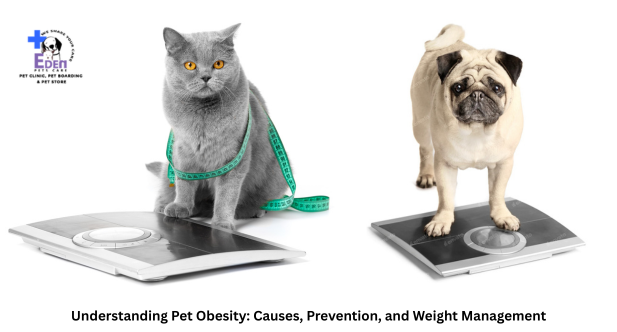
Obesity is a growing concern not only in humans but also among our beloved pets. With more than half of dogs and cats in some regions considered overweight or obese, pet obesity has become a serious health issue. Just like in humans, excess weight in pets can lead to chronic diseases, reduced quality of life, and a shorter lifespan. In this comprehensive guide, we’ll explore the causes of pet obesity, the associated health risks, and practical strategies for prevention and weight management.
Pet obesity occurs when a pet’s body weight exceeds a healthy range for its age, breed, and size. It is typically defined as a body weight that is 15–20% above ideal. Obesity isn’t just a cosmetic issue—it affects the pet’s organs, joints, metabolism, and overall well-being.
Signs Your Pet May Be Overweight:
Difficulty feeling ribs or spine under the skin
Noticeable fat deposits around the abdomen or base of the tail
Reduced stamina or reluctance to play
Difficulty breathing or snoring excessively
Understanding why pets become overweight is crucial for prevention and management. Here are the most common causes:
Overfeeding Providing more calories than your pet needs is the leading cause of obesity. This includes free-feeding (leaving food out all day) and over-reliance on treats.
Poor Diet Choices Low-quality commercial foods high in fillers, carbohydrates, or fats can contribute to weight gain. Human foods like chocolate, bread, and fatty snacks also add excess calories.
Lack of Exercise Insufficient physical activity leads to calorie accumulation and muscle loss. Dogs need daily walks and playtime, while indoor cats benefit from toys and interactive games.
Genetics and Breed Predisposition Certain breeds are more prone to obesity. Labrador Retrievers, Beagles, and Dachshunds often have slower metabolisms or higher appetites. Similarly, some cat breeds are more prone to weight gain.
Age and Health Conditions Older pets tend to move less and have slower metabolisms. Hormonal imbalances, like hypothyroidism in dogs or diabetes in cats, can also contribute to obesity.
Carrying excess weight significantly increases the risk of multiple health problems in pets:
Joint and Mobility Issues Extra weight puts stress on joints, leading to arthritis and difficulty moving.
Heart Disease Obesity can elevate blood pressure and stress the heart, increasing the risk of cardiovascular disease.
Diabetes Overweight pets, especially cats, are at higher risk of developing type 2 diabetes.
Respiratory Problems Excess fat can restrict breathing and cause labored respiration, particularly during exercise.
Shortened Lifespan Studies indicate that obese pets often live shorter lives due to complications associated with chronic diseases.
Preventing obesity is easier than treating it. Early intervention and lifestyle management can keep your pet healthy throughout its life.
Feed a Balanced Diet Choose high-quality pet food that meets your pet’s nutritional needs. Consult your veterinarian to determine the correct portion size and feeding schedule.
Avoid Overfeeding and Excess Treats Measure meals instead of free-feeding, and limit treats to less than 10% of daily caloric intake. Opt for healthy alternatives like carrot sticks or specially formulated low-calorie treats.
Encourage Regular Exercise
Dogs: Daily walks, fetch, and agility exercises
Cats: Interactive toys, climbing trees, and short play sessions multiple times a day
Monitor Weight and Body Condition Weigh your pet regularly and track changes. Use a body condition score chart to assess whether your pet is underweight, ideal, or overweight.
Avoid Feeding Table Scraps Human foods can add unnecessary calories and disrupt a balanced diet.
If your pet is already overweight, a structured weight management plan is essential.
Consult Your Veterinarian A vet can rule out underlying health issues, determine a target weight, and recommend an appropriate diet plan.
Adjust Diet Gradually Introduce calorie-controlled meals and reduce high-fat treats slowly to avoid digestive issues.
Increase Physical Activity Gradually increase the intensity and duration of exercise. For cats, consider puzzle feeders to encourage movement.
Monitor Progress Track weight loss weekly and adjust diet or activity as needed. Celebrate small milestones to stay motivated.
Consider Specialized Diets Veterinarians may recommend prescription weight-loss diets formulated for calorie control and proper nutrition.
Make lifestyle changes gradual to prevent stress or frustration.
Engage the whole family in feeding and exercise routines.
Avoid using food as a reward; try playtime, affection, or training as alternatives.
Reassess weight and health every 3–6 months with your veterinarian.
Pet obesity is a serious but preventable health issue. By understanding the causes, recognizing the signs, and implementing proper diet and exercise strategies, you can help your pet achieve and maintain a healthy weight. Preventive care, regular monitoring, and professional guidance are key to ensuring your furry companion lives a longer, happier, and healthier life. Remember, every small step toward healthier habits counts, and your pet will thank you with more energy, a better quality of life, and plenty of tail wags or purrs.


Address : 7, Ground Floor, Dayasadan Road, off, Poonamallee High Road, opposite to Shell Petrol Bunk, Nerkundram, Chennai, Tamil Nadu 600107

